
LOW TECH
AND THE EMPLOYABILITY OF YOUNG POEPLE
WITH LESS OPPORTUNITIES
8th July – 17th July 2024
Strasbourg, France
Date: 8. 7. – 17. 7. 2024
Location: Strasbourg, France
Number of participants: 42
Type of the project: Mobility of Youth Workers
Funding:
Project is co-funded by the European Union.

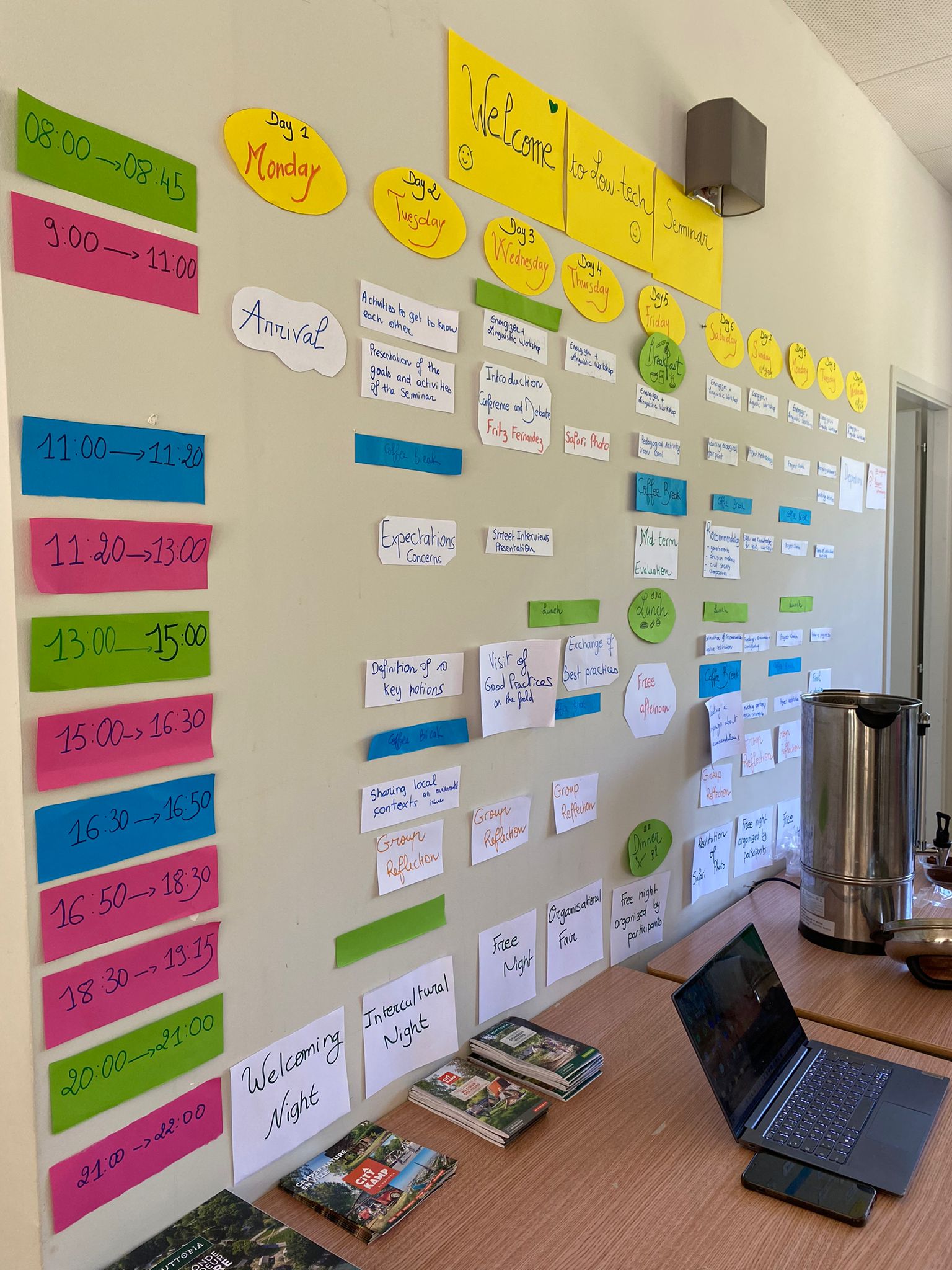
Low Tech Seminar in France
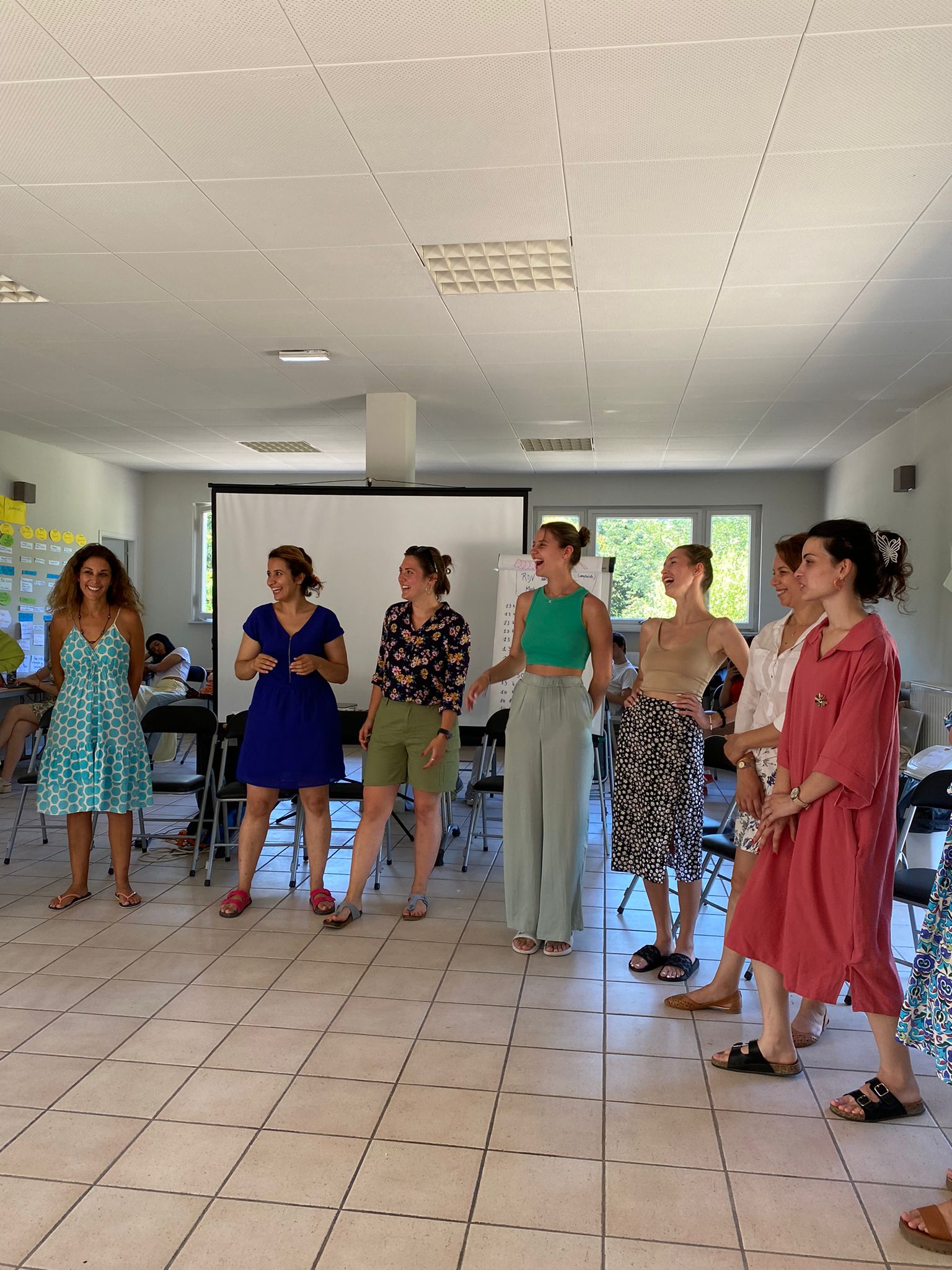
Low Tech Seminar in France

Low Tech Seminar in France

Low Tech Seminar in France

Low Tech Seminar in France

Low Tech Seminar in France

Low Tech Seminar in France

Low Tech Seminar in France
About the seminar:
Climate change is a global emergency that every one of our European, Mediterranean and Caucasian partners is experiencing across the board: multiple heat waves, carbon emissions, soil and water pollution, flooding, disappearance of ecosystems and biodiversity. What’s more, according to an EU report, by 2025, 67% of the world’s population will be living in urban areas.
At the same time, Europe and its neighbouring partner countries are experiencing high levels of unemployment among young people (aged 18-25) in urban areas, particularly those with fewer opportunities, including women, migrants, refugees or asylum seekers, who are the target group for our respective structures. That’s why we want to work with and for youth workers and disadvantaged young people who need information, support, professional capacity-building and social inclusion in a meaningful, income-generating activity.
Low Tech practices consist of using sustainable, simple and transferable techniques to achieve useful, accessible and lasting results. These are products, services or processes that, thanks to a technical, organisational and cultural transformation, enable the development of new models of society that include in their fundamental principles the requirements of strong sustainability and collective resilience.
The main objective of the project is to develop the key and cross-disciplinary competences (knowledge, attitudes and skills) of 42 young people and youth leaders (from Europe, theMEDA program and the Caucasus) in the implementation of non-formal youth education initiatives and projects linked to the Low Tech approach, improving their personal and professional development, their participation in society as active and responsible citizens, promoting their employability on the labour market and improving the quality of their work.